Unexcavated
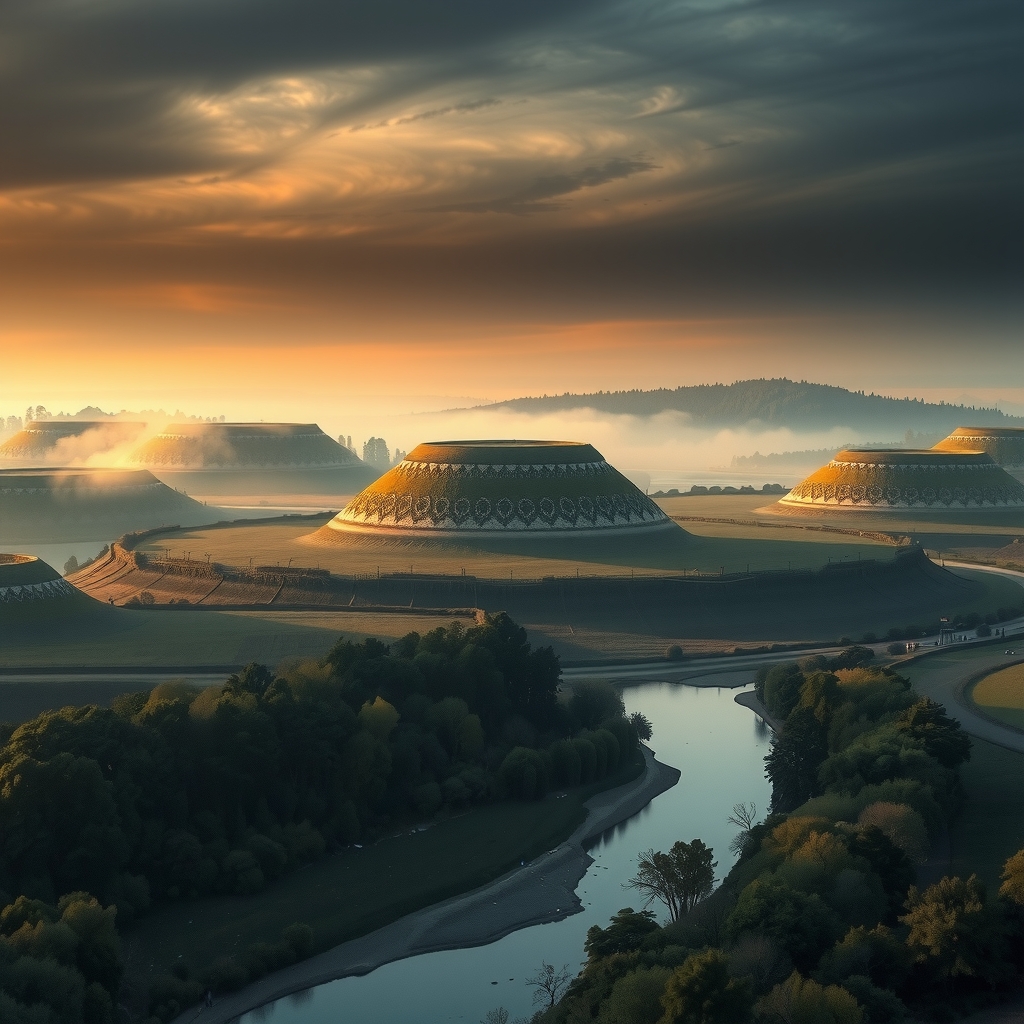
Hero image evoking deep unsolved archaeological mystery
Editorial Deep Dive

What Lies Beneath

The greatest unexcavated mysteries of the ancient world β€” sites that could rewrite history, sealed by earth, time, and the silence of millennia.

Descend

The Cases That Define the Field

Visual for mysteries about underground chambers
Sealed Tomb

The Unbreached Chambers of Qin Shi Huang

Below Mount Li in Shaanxi Province, the emperor's inner burial vault has never been opened. Ancient texts describe rivers of mercury β€” confirmed by modern soil readings β€” flowing through a scale model of the empire. What else awaits beneath the unopened doors?

Lintong District, Shaanxi, China
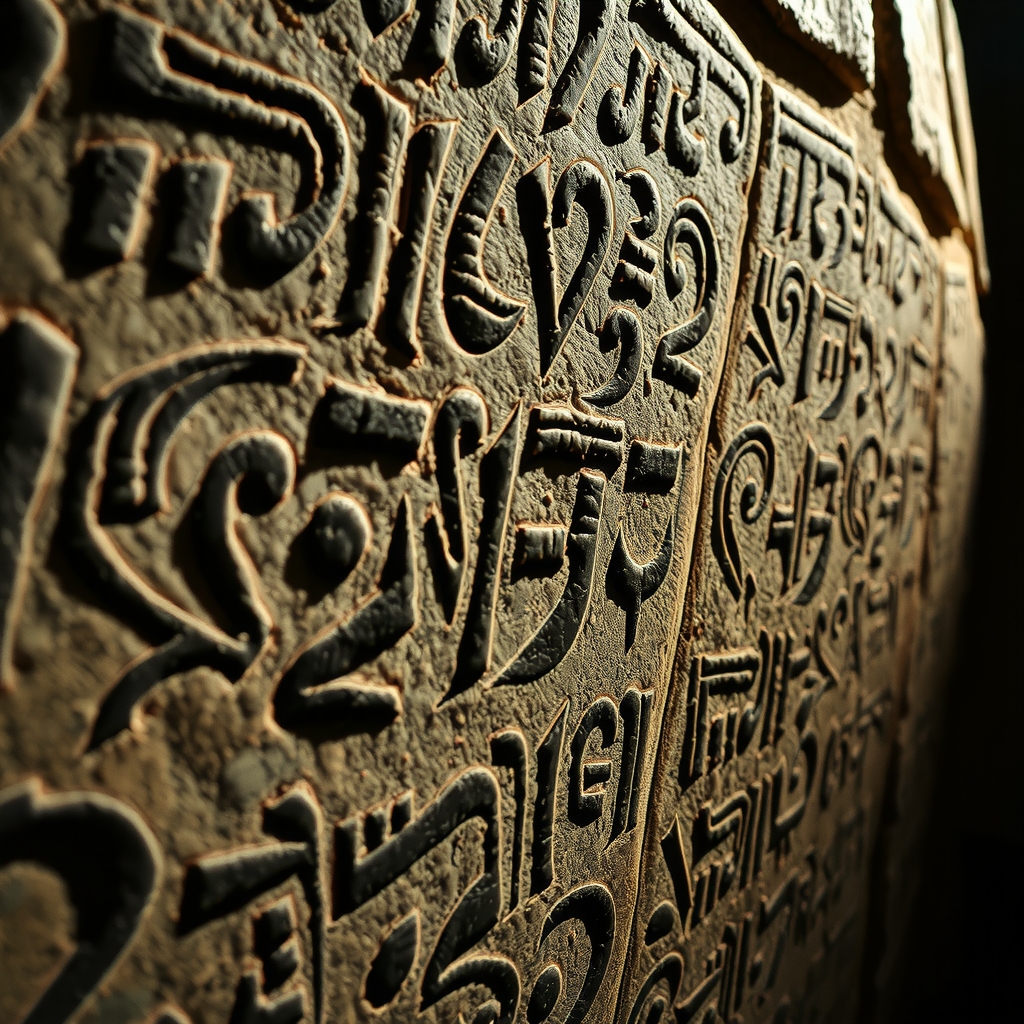
Visual for undeciphered ancient script mysteries
Hidden Substructure

Teotihuacan's Network Below the Pyramids

A tunnel discovered beneath the Temple of the Feathered Serpent leads to sealed chambers filled with mercury and ritual objects β€” but the deeper passages remain unmapped. Ground-penetrating radar suggests vast underground spaces that predate even the pyramids above.

San Juan Teotihuacan, Mexico
Visual conveying the massive scale of unexcavated sites
Lost Palace

The Buried Palace Beneath Nero's Rome

Layers of Imperial Rome overlie vast Neronian structures that were deliberately buried under the Baths of Trajan. Only a fraction has been surveyed. Frescoed vaults extend further than any explorer has gone, and entire wing systems appear on ancient building records but remain utterly sealed.

Esquiline Hill, Rome, Italy
Ancient Port City

Thonis-Heracleion's Submerged Districts

Egypt's legendary lost port city was rediscovered beneath Abu Qir Bay, yet only its shallowest ruins have been mapped. Geophysical surveys indicate temple complexes and administrative districts still buried in anaerobic silt, perfectly preserved, uncatalogued, and unexcavated.

Abu Qir Bay, Alexandria Governorate, Egypt
Vedic Archive

Dwarka: The Drowned City of Krishna

Off the coast of Gujarat, stone structures lie at depths suggesting habitation long before the Indus Valley Civilisation's accepted timeline. Only scattered surface areas have been examined. What rests in the undisturbed sediment below could challenge the entire chronology of South Asian history.

Gulf of Khambhat, Gujarat, India
Buried Citadel

Tartaria Mounds: Europe's Pre-Sumerian Script

The Romanian mound complex at Tartaria yielded tablets predating cuneiform β€” but the deeper cultural layer was never fully excavated before the original dig was sealed. Lidar imaging reveals complex planned structures extending well beyond the original excavation boundary.

Tartaria, Alba County, Romania

When the Earth Speaks

Subsurface Acoustic Anomalies

Seismic reflection surveys at several temple complexes have detected hollow chambers of unnatural geometric regularity at depths of 15–30 metres β€” cavities that don't match any known geological formation but align precisely with surface structures above.

Mercury Soil Signatures

Elevated mercury concentrations in soil β€” far exceeding natural background levels β€” have been documented at Teotihuacan and beneath Qin's mound. In both cases, the distribution follows the contours of unexcavated floor plans, suggesting intentional, cosmologically motivated use.

Magnetic Gradient Variation

Magnetometry surveys across the Tartaria mound complex and several Anatolian tells reveal sharp magnetic contrasts at specific depths β€” consistent with fired clay, smelted metals, or burnt organic material at scales far larger than any known surface exposure.

Anaerobic Preservation Layers

Oxygen-depleted sediment strata β€” most dramatically below coastal and lacustrine sites β€” create near-perfect preservation conditions. Wood, textiles, papyrus, and organic pigments can survive intact for thousands of years, sealed by the very waterlogging that makes excavation difficult.

What Archaeologists Believe β€” And Why

The Ritual Sealing Hypothesis

Many of the most significant unexcavated spaces appear to have been deliberately sealed β€” not lost to time, but closed with intention. Evidence from analogous excavated sites suggests these closures were ritual acts, possibly tied to dynastic transition, cosmological cycles, or deliberate entombment of sacred knowledge.

78% β€” Strong corroborating evidence across multiple sites

Pre-Diluvian Urban Continuity

Submerged sites in the Gulf of Khambhat and the North Sea Doggerland region suggest continuous habitation across what we now treat as a civilisational origin point. The buried record may show not the birth of cities, but their continuation after a catastrophic sea-level event.

52% β€” Promising indicators; requires further survey

Interconnected Cultic Networks

The shared iconography between Tartaria tablets, early Sumerian signs, and Indus Valley script β€” all from periods when direct contact seems impossible β€” may indicate a shared cultic or mercantile network whose physical nodes remain unexcavated. Each sealed site could be a node in this undiscovered web.

41% β€” Compelling but contested; awaits primary evidence

Administrative Archive Preservation

Several sealed underground structures β€” particularly those with confirmed anaerobic conditions β€” may contain administrative archives on perishable materials. The destruction of above-ground archives at Persepolis, Alexandria, and elsewhere makes their potential underground counterparts uniquely significant.

65% β€” Supported by precedent from similar contexts

What We Could Learn

  • ⟳

    Recalibrating Civilisation's Timeline

    Confirmed occupation at submerged and sealed sites could push the accepted origin of urban complexity back by centuries or millennia, forcing a fundamental revision of the human story.

  • ✦

    Lost Languages and Scripts Decoded

    Archive chambers in anaerobic preservation may contain bilingual texts β€” the Rosetta Stones of still-undeciphered writing systems. Undiscovered Proto-Elamite and Indus script keys may already exist underground.

  • β—ˆ

    Ancient Knowledge Systems Recovered

    Medical, astronomical, agricultural, and engineering knowledge encoded in perishable materials β€” scrolls, tablets, wooden boards β€” survives only in sealed contexts. Each unopened chamber could be a library.

  • βŠ•

    Understanding Ancient Ecological Collapse

    Stratified deposits preserve pollen, fauna, and climate proxies that can reconstruct the environmental conditions under which ancient civilisations rose and fell β€” knowledge directly relevant to the present.

Closing atmospheric image inviting readers to keep exploring

Frequently asked questions

Has the tomb of Qin Shi Huang ever been opened?
The inner burial vault of Qin Shi Huang, located below Mount Li in Shaanxi Province, China, has never been opened. Ancient texts describe rivers of mercury flowing through a scale model of the empire inside β€” a claim supported by modern soil readings that have confirmed elevated mercury concentrations in the area. The sealed chambers remain unexcavated.
What has been found beneath the Temple of the Feathered Serpent at Teotihuacan?
A tunnel discovered beneath the Temple of the Feathered Serpent leads to sealed chambers containing mercury and ritual objects. Deeper passages remain unmapped, and ground-penetrating radar suggests vast underground spaces that may predate even the pyramids above. Elevated mercury concentrations in the soil follow the contours of unexcavated floor plans, suggesting intentional, cosmologically motivated use.
What is Thonis-Heracleion and why is it significant?
Thonis-Heracleion is Egypt's legendary lost port city, rediscovered beneath Abu Qir Bay in the Alexandria Governorate. Only its shallowest ruins have been mapped so far. Geophysical surveys indicate that temple complexes and administrative districts remain buried in anaerobic silt, which creates near-perfect preservation conditions, leaving structures potentially intact, uncatalogued, and unexcavated.
Why do researchers think some of these sites were deliberately sealed rather than simply lost over time?
The Ritual Sealing Hypothesis, which has strong corroborating evidence across multiple sites (rated at 78% confidence on the page), proposes that many significant unexcavated spaces were intentionally closed rather than lost to time. Evidence from analogous excavated sites suggests these closures were ritual acts, possibly linked to dynastic transitions, cosmological cycles, or the deliberate entombment of sacred knowledge.
What makes underwater and waterlogged archaeological sites so valuable for preservation?
Oxygen-depleted, anaerobic sediment strata β€” found most dramatically below coastal and lake-adjacent sites β€” create near-perfect preservation conditions. Materials such as wood, textiles, papyrus, and organic pigments can survive intact for thousands of years in these environments. The very waterlogging that makes excavation difficult is also what seals and protects fragile organic materials from decay.
Could unexcavated sites change our understanding of when human civilisation began?
According to the Pre-Diluvian Urban Continuity theory presented on the site, submerged sites in locations such as the Gulf of Khambhat suggest continuous habitation across periods treated as civilisational origin points. The buried record may show not the birth of cities but their continuation after catastrophic sea-level events, potentially pushing the accepted origin of urban complexity back by centuries or millennia.

Upgrade this site

Describe what you want β€” Pillar will plan, build, and deploy it. Learn More