Çatalhöyük — A City Built Before Cities Were Supposed to Exist
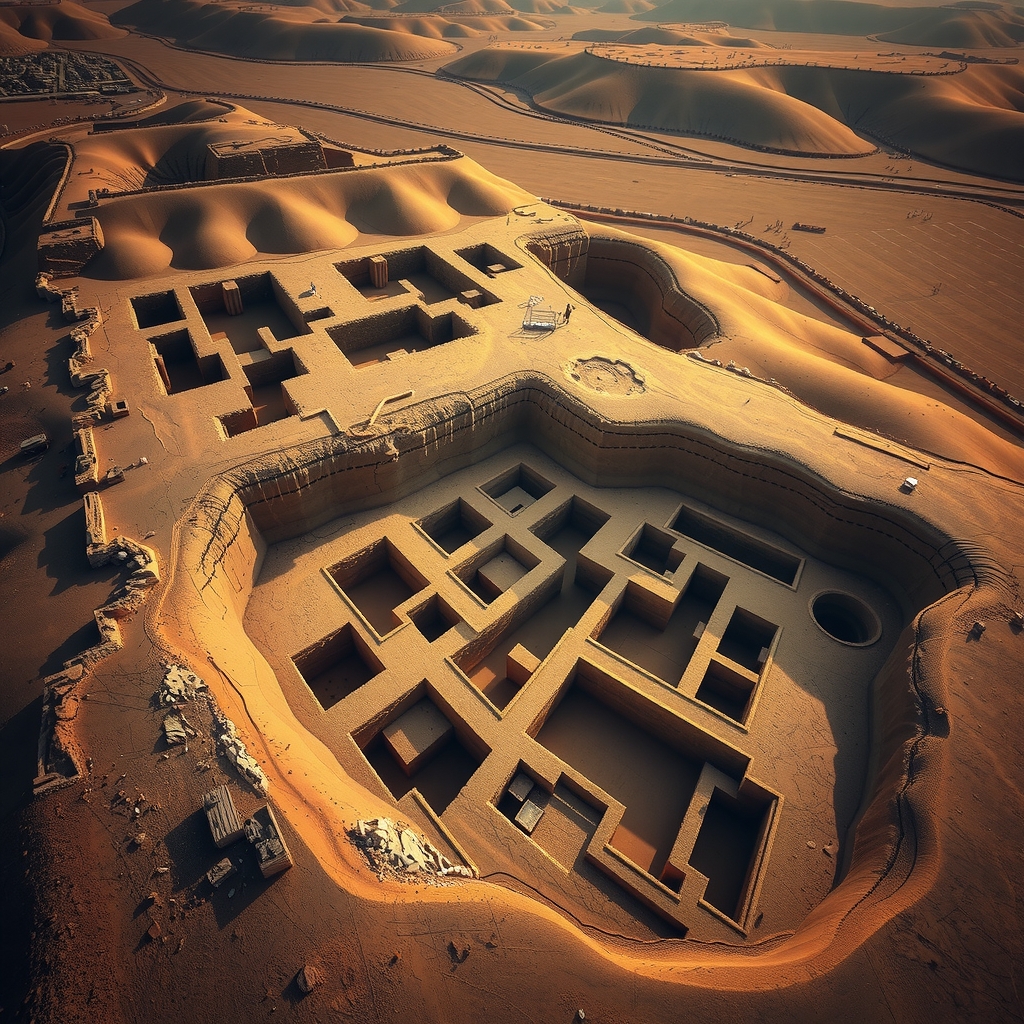
Thousands of interconnected rooms honeycomb a 21-metre mound on the Konya Plain. Fewer than 5% have ever been opened. The rest wait in the dark, exactly as their inhabitants left them nine thousand years ago.
37°40′N 32°49′E · Konya Province, Central Anatolia
What We Know
A Civilisation That Rewrote the Story of Urbanism
When British archaeologist James Mellaart first surveyed the twin mounds of Çatalhöyük in 1958, he recognised immediately that something unprecedented lay beneath the wheat-coloured soil. Excavations from 1961–65 revealed a settlement so dense, so elaborately decorated, and so architecturally sophisticated that it shattered prevailing timelines for when humans first lived in cities.
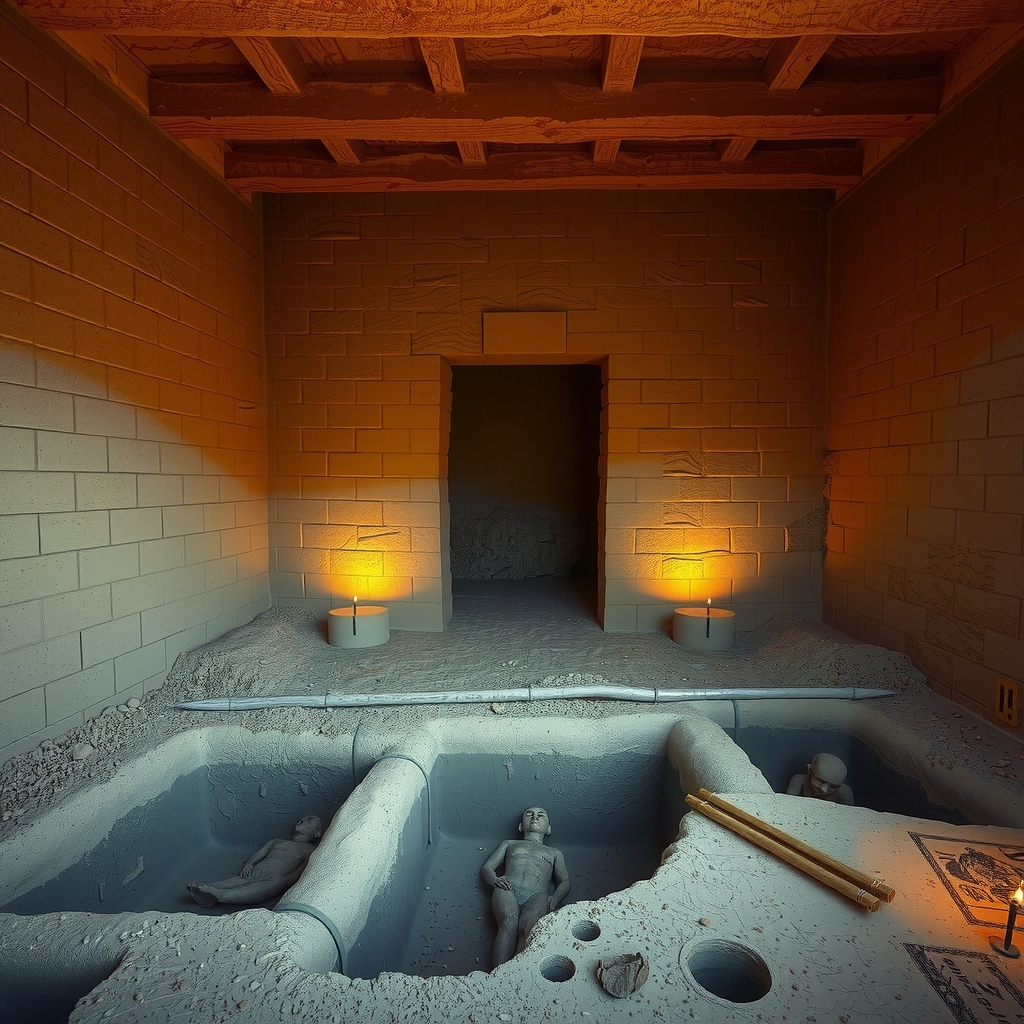
The settlement was occupied continuously for roughly 1,200 years, from approximately 7500 to 5700 BCE. Its residents built houses directly against one another with no streets between them — movement happened across rooftops, and residents entered through holes in the ceiling. Each household was a self-contained world: sleeping platforms, hearths, storage bins, and, beneath the floor, the bones of ancestors.
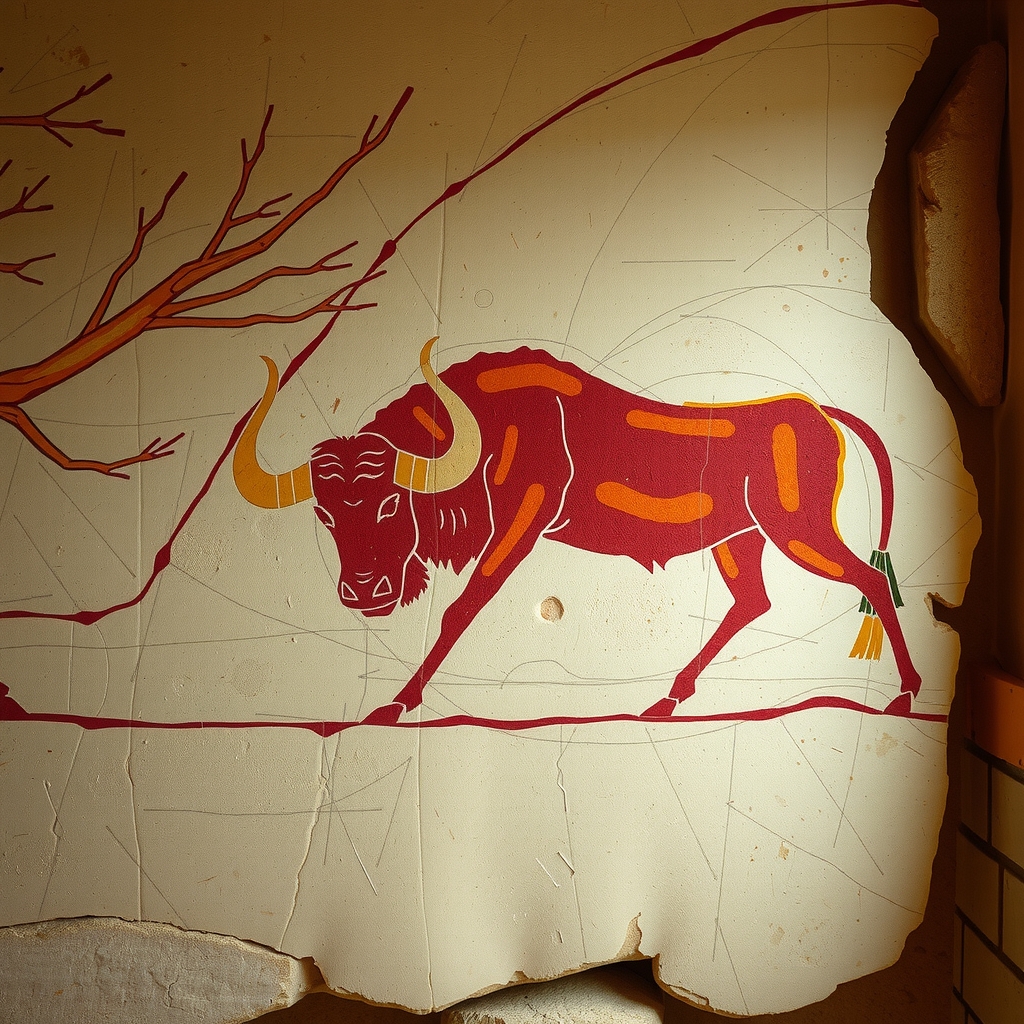
The walls of excavated rooms have yielded some of the most spectacular Neolithic art ever discovered. Bull bucrania — skulls of wild cattle — were plastered into walls as ritual objects. Leopards prowl across murals in ochre and red. Abstract geometric patterns repeat with a rhythmic logic that suggests shared cosmological beliefs across the entire community.
Ian Hodder's Cambridge team, resuming systematic excavation in 1993, brought cutting-edge archaeobotany, isotopic analysis, and 3D scanning to the site. Their work confirmed that residents ate a largely plant-based diet, that women and men shared similar social status, and that the community processed radical ideas about identity, death, and the sacred — ideas we can only partially decode.
What Remains Buried
The Deeper the Mound, the Older the Questions
The East Mound alone covers 13.5 hectares and rises 21 metres above the plain. Archaeologists have excavated perhaps 5% of its total volume — and that estimate may be generous. The West Mound, later in date and potentially revealing how the community changed over time, has barely been touched. A third mound to the north remains almost entirely unstudied.
How Did It Begin?
The lowest levels of the East Mound — the earliest occupation layers — have never been fully reached. The community that arrived at this spot around 7500 BCE came from somewhere with established traditions. That origin story is buried metres below the excavated floor.
A Social Architecture We Don't Understand
Excavated rooms suggest households, but no clear public buildings, temples, or governing structures have been identified. The entire city may have been organised around principles of kinship and ritual we have no framework for — a political logic still encoded in unexcavated layers.
Thousands of Unread Murals
Every room likely contained paintings. Çatalhöyük residents replastered walls dozens of times per generation. Beneath every excavated mural are earlier ones, and most rooms haven't been opened at all. A gallery spanning centuries may lie intact, untouched, waiting.
The West Mound's Later Story
After the East Mound was abandoned, occupation shifted west. The West Mound covers the Chalcolithic transition — the moment when copper first entered the toolkit. How the community changed during this pivotal era is almost entirely unknown.
Why They Left
Around 5700 BCE, Çatalhöyük was abandoned. Climate shift? Social fracture? Soil exhaustion? The answer may lie in the final occupation layers — some excavated, most not — and in the delta between the East and West mounds during the transition period.
The Surrounding Landscape
Remote sensing surveys have detected anomalies in the fields surrounding the mounds. It is possible that activity extended far beyond the mound itself — middens, ritual spaces, agricultural infrastructure — none of which has been excavated.
Interactive Timeline
Nine Thousand Years in Fourteen Moments
Site Gallery
From the Mound to the Museum Reconstruction