
Tartaria & Old Europe — The Buried Civilizations That Predate Sumer
Long before the ziggurats of Mesopotamia, a sophisticated network of cultures flourished across Europe — leaving behind inscribed tablets, monumental gold, and cities of ten thousand people. Most of it remains underground.
A Civilization Hidden in Plain Sight
Archaeologist Marija Gimbutas first coined the term "Old Europe" in the 1970s to describe the sophisticated Neolithic and Chalcolithic cultures that thrived across southeastern Europe for millennia before being absorbed or erased. These were not wandering tribes.
They built two-storey houses with plaster walls. They smelted copper and gold. They buried their dead with extraordinary ceremony. And at sites like Tartaria in modern Romania, they left behind inscribed clay tablets that bear an uncanny resemblance to proto-cuneiform — yet predate Sumerian writing by at least a thousand years.
The Cucuteni-Trypillia culture, stretching across modern Romania and Ukraine, constructed settlements of staggering scale — true proto-cities that were then ritually burned and rebuilt in cycles no one fully understands. The evidence is everywhere beneath the soil. The excavation is almost nowhere.
Why the Silence?
The intersection of nationalist politics, Cold War-era archaeology, and the dominant Mesopotamian narrative has conspired to keep Old Europe on the margins of popular understanding. Funding flows elsewhere. The tablets remain controversial. And the earth remains largely undisturbed.
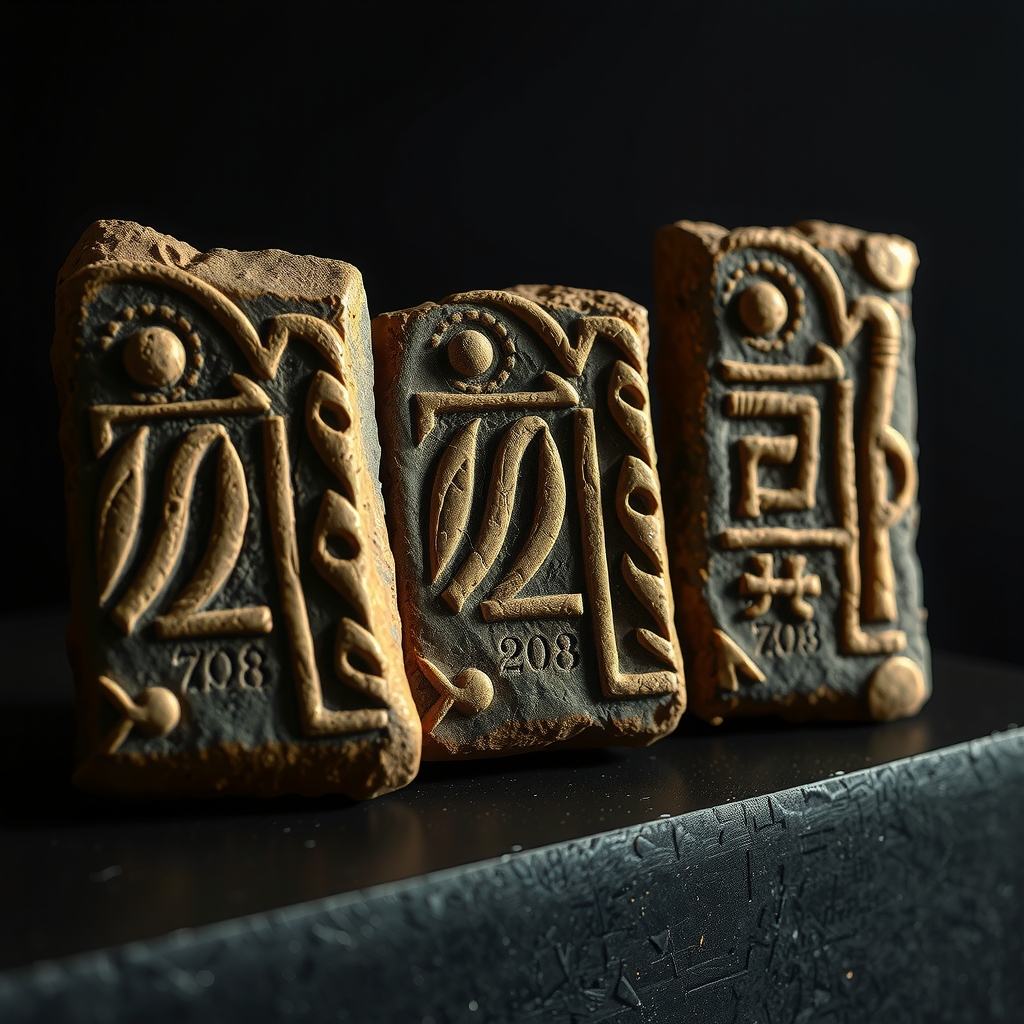
Artifacts of a Forgotten World
The fragments that have emerged from Old European soil are extraordinary precisely because they were never meant to remain hidden. They were abandoned, burned, or buried by their makers. What we have recovered is a fraction of what exists.
The Tartaria Tablets
Three small clay tablets discovered in 1961 near the village of Tartaria, Romania. They bear incised symbols that have never been conclusively decoded. Radiocarbon dating places them around 5300 BCE — preceding Sumerian proto-cuneiform by over a millennium. Their discoverer, Nicolae Vlassa, died before the controversy they ignited was resolved.
The Varna Gold Necropolis
Discovered by accident in 1972 during construction work on the Bulgarian Black Sea coast, the Varna Necropolis contains the oldest confirmed worked gold artifacts on Earth, dated to 4600–4200 BCE. One individual — likely a ritual figure rather than a biological leader — was buried with over 1.5 kg of gold. Fewer than half the graves have been excavated.
Trypillia Megasettlements
Aerial and LiDAR surveys have revealed planned settlements of extraordinary density — grid-like layouts with hundreds of two-storey structures arranged concentrically around open central spaces. Sites near Talianki in Ukraine covered over 300 hectares and likely housed 10,000–15,000 people. No palaces. No temples. No obvious hierarchy — and almost none of it excavated below the topsoil.
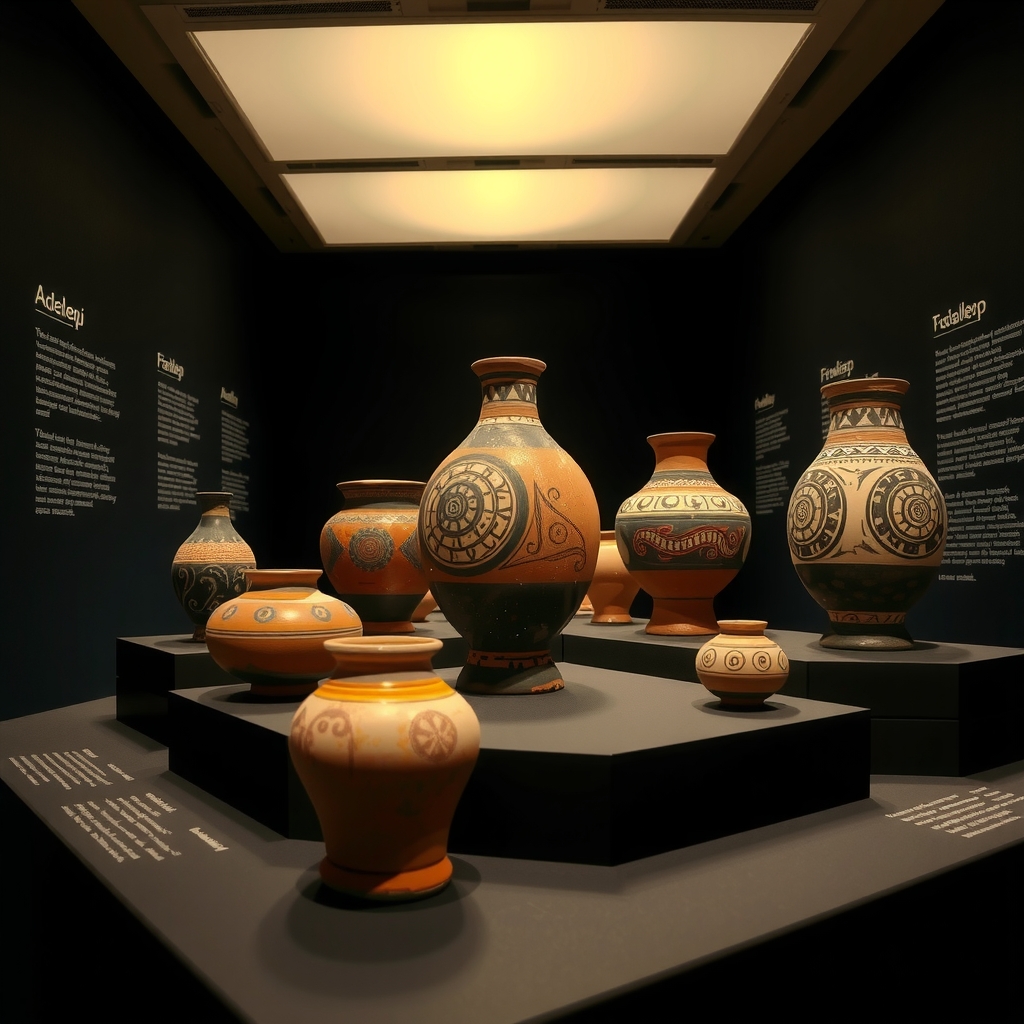
The Depth of What We Don't Know
Decades of LiDAR scanning, magnetometry surveys, and satellite analysis have produced a devastating inventory: thousands of known sites, almost none excavated to any meaningful depth. The following represent only the most significant gaps.
Talianki & the Trypillia Megasettlement Belt
Over a dozen megasettlements larger than contemporary Uruk have been identified via magnetometry along the Dnieper and Southern Bug river systems in Ukraine. None have been excavated beyond test trenches. Each one could rewrite the timeline of urban development.
The Varna Necropolis — Eastern Half
When construction halted in the 1970s, excavation ceased with roughly 50% of the necropolis unopened. Modern surveys suggest the unexcavated section is larger than what was found and likely contains the community's most significant burials. It lies beneath a Bulgarian industrial zone.
Turdaș — The Tartaria Context Site
The broader settlement at Turdaș, of which the Tartaria find site is one component, has never been systematically excavated. The tablets were found in a pit. What surrounded them — what building, what ritual context, what accompanying artifacts — remains unknown and increasingly endangered by agricultural activity.
Cucuteni Site Clusters, Northeast Romania
Romanian archaeologists have catalogued over 400 Cucuteni culture settlements in Moldavia alone. Fewer than 30 have been excavated with modern methods. The rest sit in farmland, their painted ceramics occasionally surfacing under plough lines, their structural deposits intact and waiting.
Vinča Site Subsurface Deposits
The type site of Vinča, outside Belgrade, was partially excavated in the early 20th century. A tell mound nearly 10 metres deep still stands unexcavated. Its lower layers — potentially reaching back to 5700 BCE — have never been reached. The entire early history of the Vinča script tradition may be buried within it.
Landscapes, Artifacts, Patterns
Script, Civilization, and the Politics of the Past
"The Tartaria tablets suggest that writing may have developed independently in the Danube valley — and earlier than anywhere else on Earth. This is not a minor revision. It is a challenge to the entire narrative of civilization's origins."
The core of the Old Europe controversy has always been geopolitical as much as archaeological. During the Cold War, both Romanian and Bulgarian nationalist movements seized on these finds as proof of unique local heritage, muddying interpretations with political agendas. Western archaeologists, shaped by decades of Mesopotamia-centric frameworks, remained skeptical.
Marija Gimbutas spent the final decades of her career building the case for a goddess-worshipping, peaceful, egalitarian Old Europe that was destroyed by invasions from the Eurasian steppes. Her scholarship was widely dismissed as ideologically motivated — and it may, in part, have been. But the archaeological record she documented was real. The megasettlements are real. The gold is real. The tablets are real. The argument is about what they mean.
The Case for Pre-Sumerian Writing
The Tartaria symbols show regularity, context-specificity, and a link to larger symbol sets found across the Vinča culture spanning 800 km. Radiocarbon dates are consistent across multiple labs. No fraud hypothesis has been proven. The simplest explanation is that an independent writing tradition existed in the Danube basin before Mesopotamia.
The Mainstream Skeptic Position
Critics argue the Vinča signs lack the structural complexity of writing — no grammar, no syntax, no progression. The tablets' discovery context was ambiguous and possibly disturbed. Many signs could be property marks or decorative motifs. Without more excavated material, the writing hypothesis remains unproven. The absence of evidence is not evidence of absence — but it is not proof either.